Did You Know You Can Manage All Your Jane Clinics in One App?

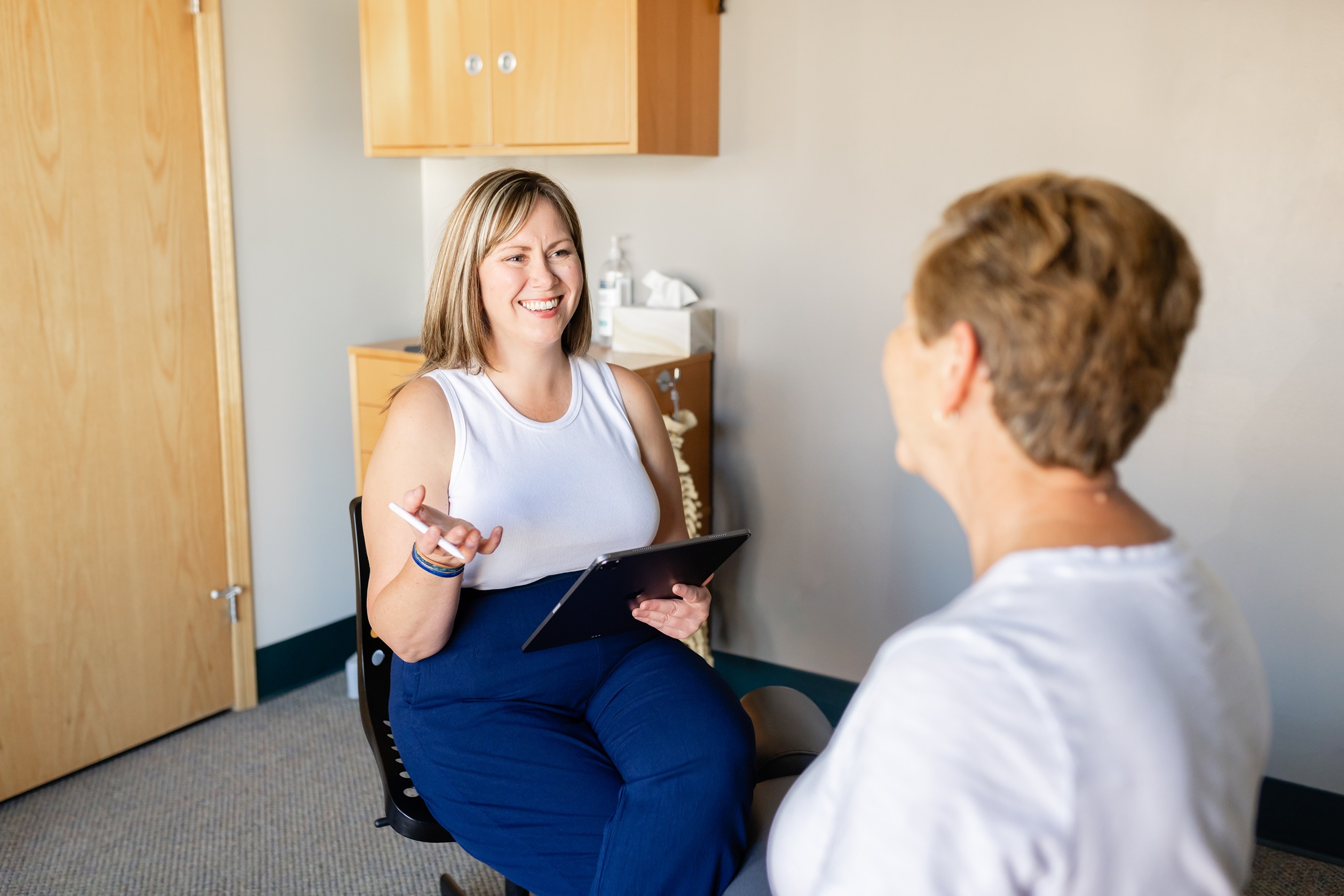
Dr. Zara chiropractic and massage patient check in

If you’ve ever had trouble logging into your Jane account with us after logging into another clinic’s Jane, this is for you.

Jane has a free patient app that lets you access all of your Jane clinics in one place, with one login. No more duplicate accounts, no more confusion.

Here’s the thing about Jane: it’s not just us. Your massage therapist, your physio, maybe even another chiropractor — if they use Jane too, you might have unknowingly created a handful of different logins over the years, or found yourself staring at someone else’s appointment list, wondering where yours went. The Jane for Clients app fixes that. One app, one login, every Jane clinic you visit, sitting right there under your profile.

It takes about five minutes to set up, and once it’s done, booking, rescheduling, or checking your next appointment with us is just a couple of taps away — no hunting for the right website, no “wait, was it this password or that one?”

We’ve put together a simple how-to that walks you through setting it up, start to finish. You can get it by clicking on the button below or scanning the QR code at the front desk next time you’re in.

Questions about getting connected? Just ask our front desk team — we’re happy to walk you through it in person, too.

Designed by Wonder Space Creative | Photography by Christina Louise

Why We Do Re-Exams (And No, It’s Not a Money Grab)

Dr. Zara chiropractic and massage patient check in

Why We Do Re-Exams

If you’ve been a patient at Wetaskiwin Family Chiropractic for a while, you’ve probably had a re-exam. And if you’ve ever raised an eyebrow when we mentioned it was time for one — we hear you. It’s a fair question.

So let’s talk about it honestly.

What is a re-exam, and when do we do one?

We do routine re-exams every two years for active patients. It’s a chance to sit down, go through your health history, check in on how you’re feeling, and make sure we’re still working with an accurate picture of your health. 

We also do an automatic re-exam if a patient hasn’t been in for a full year. Not as a punishment for going MIA — but because a lot can genuinely change in twelve months, and we wouldn’t know unless we asked.

A lot can happen in a year

We’re not being dramatic. Over the course of a year, a patient might have had a baby, a surgery, a significant accident, a major loss, or a health diagnosis that they didn’t think to mention — because it didn’t seem related, or because life got busy.

Knee replacements, pacemakers, new medications, prolonged stress, sleep disruption — these all affect how we care for you. If we don’t know about them, we’re working with outdated information. And in healthcare, outdated information isn’t just inconvenient. It can matter.

“If it’s not written down, it didn’t happen”

This is something I say to patients a lot, and I mean it. In healthcare, documentation is everything. Not because we love paperwork — we don’t — but because your written health record is what protects you when something unexpected happens.

 Here’s a real example of why this matters. I recently had a patient who was new to my practice. We’d been working together for two weeks and he was improving significantly. Then he was involved in a serious car accident. Because we had a thorough, documented intake and had already been tracking his progress, I could clearly show his health status before the accident. That documentation became important evidence in his WCB claim — distinguishing his pre-existing conditions from his acute injuries.

If we hadn’t done a proper exam, none of that would have been available. And in litigation, in insurance claims, in medical emergencies — the question is always the same: what was the baseline? What do we know about this person’s health before this event?

A current re-exam means we can answer that question. 

So no — we’re not retiring on re-exam revenue

Dr. Amanda and I are not squeezing extra appointments into your schedule to pad our bottom line. If we were optimizing for volume, we would do the opposite — move patients through as quickly as possible, skip the extra conversation, and never spend time on exams, exercises, or education.

The re-exam takes time. It takes longer than a regular appointment. It involves questions, assessments, and documentation that we take seriously. We do it because it’s the right standard of care — not because it’s profitable.

What to do if you’re overdue

If it’s been a while — more than a year, or you’re not sure — just give us a call. Our front desk can let you know where you’re at and get you booked for a re-exam.

We’d rather know what’s going on with you. That’s the whole point.

You Don’t Have to Go to Physio First

How to support your spine.

What Most People Don’t Realize About Chiropractic Scope

Here’s something a lot of people don’t know: chiropractors are primary healthcare providers.

That means I can assess you—fully—the same way your family doctor can when it comes to anything musculoskeletal. The major difference? This is all I do. Shoulders, knees, hips, feet, elbows—if it’s in your body and it connects to your skeleton or the muscles around it, it is within my scope.

The reason most people default to physiotherapy after an injury is actually pretty simple: it’s what family doctors suggest out of habit. And let’s be clear—it is not bad advice. But it’s usually given without an actual, deep assessment. Your doctor will rule out a fracture, make sure nothing is broken, and send you on your way. They usually haven’t evaluated what is actually going on in the joint or the soft tissue surrounding it.

When you come into our clinic, we assess first. Then, we figure out the best path forward together.

A Collaborative Approach to Healing

It’s important to know that we aren’t competing with physiotherapy. There is a beautiful, natural overlap between what we do, and we work incredibly well together. Our goal is simply to get you answers and relief safely and efficiently. Sometimes that means treatment right here in our clinic, sometimes it means a referral to a great physiotherapist, and often, it’s a combination of both.

What we offer in the clinic also goes well beyond what people typically expect from a chiropractor. We focus on evidence-based care tailored to what your body actually needs to heal. Depending on what you present with, your treatment plan might include:

  • Laser Therapy: Particularly helpful for calming deep inflammation and accelerating tissue repair.

  • Acupuncture: Excellent for targeted pain relief and resetting tight muscle groups.

  • Stability & Strengthening Exercises: Active rehab to ensure your injury stays resolved for the long term.

  • Imaging Referrals: If we need an X-ray or further imaging to get the full picture, we can direct you seamlessly.

  • Chiropractic Adjustments: Highly effective, precise joint mobilization, applied exactly where they are needed.

Let’s Figure It Out Together

If you’ve been nursing a frustrating spring injury, or if you’ve been putting off booking an appointment because you just weren’t sure who to call first, please know you don’t have to navigate it alone.

You don’t need a referral, and you don’t need to wait. Come in, we’ll figure out exactly what’s going on, and we will take it from there.

How Massage Therapy Helps With Back and Neck Pain

How massage therapy helps relieve back and neck pain.

If you live in Wetaskiwin, you know that back and neck pain are more than just a nuisance: they change how you live your life. Whether it’s stiffness from a long drive down Highway 2 or a sharp ache between your shoulder blades after a day of desk work, the search for relief usually leads to two places: chiropractic care and massage therapy.

While many people think of massage as a “luxury” or a spa treatment, it is actually a clinically proven tool for managing the structural pain that brings people into our clinic every day.

The “Muscle-Joint Connection”

To understand why massage works for back and neck pain, you have to look at how your body is built. Your muscles and your spine are a team. When a joint in your neck or back is restricted, the surrounding muscles “guard” that area by tightening up to prevent further injury.

This creates a cycle:

  1. The Joint Stiffens: Your spine loses its normal range of motion.
  2. The Muscle Tightens: Your body creates a “natural cast” of tight muscle to protect the spine.
  3. The Pain Increases: These tight muscles develop “knots” (trigger points) that cause aching and pull the joint even further out of alignment.

How Massage Breaks the Cycle

At Wetaskiwin Family Chiropractic, our Registered Massage Therapists (RMTs) use specific techniques to address the root of this muscular tension:

  • Releasing Trigger Points: We apply targeted pressure to “knots” in the upper traps and lower back, which are often the true source of referred pain and headaches.
  • Increasing Blood Flow: Tight muscles are often “starved” of fresh oxygen. Massage manually flushes the tissue, bringing in the nutrients needed for the fibres to repair.
  • Improving Elasticity: By stretching and kneading the fascia (the connective tissue surrounding your muscles), massage restores the flexibility you need to turn your head or bend over without a “catch.”

Why Massage and Chiropractic Work Better Together

This is the most common question we get: Do I really need both?

If you only get a chiropractic adjustment but your muscles are still “locked,” those tight muscles will likely pull your spine right back into its old, painful position. Conversely, if you only get a massage but the underlying joint is restricted, the muscle will just tighten up again to protect it.

The most effective way to treat chronic back and neck pain is to address the structure (Chiropractic) and the soft tissue (Massage) at the same time.

Targeted Relief in Wetaskiwin

At our clinic, we don’t believe in “one size fits all” relaxation. We offer clinical massage therapy designed to get you back to your normal routine, whether that’s gardening, sports, or just getting through the workday without a headache.

Stop managing the pain and start treating the cause.


What to Expect From a Massage Therapy Appointment

What to expect from a massage therapy appointment.

If you’ve never had a professional massage, or it’s been a long time, walking into a clinic can feel a bit uncertain. You might be wondering: What do I wear? Does it have to hurt to work? How do I explain where it hurts?

At Wetaskiwin Family Chiropractic, we believe the best results happen when you feel completely at ease. Here is exactly what happens from the moment you walk through our doors to the moment you leave feeling lighter.

  1. The Initial “Check-In”

When you arrive at our Wetaskiwin clinic, we don’t just point you to a table. Your Registered Massage Therapist (RMT) will start with a brief consultation.

We’ll talk about your goals: Are you here to fix a specific injury, manage chronic headaches, or just de-stress? We’ll also review your health history to ensure the treatment is safe and effective for you.

  1. Privacy and Comfort

This is the part that causes the most hesitation for new clients. Here is the golden rule: You undress only to your level of comfort. Some clients prefer to keep their undergarments on; others prefer to remove them. Both are perfectly fine.

  • You will be left alone in the room to disrobe and slide under a clean sheet and blanket on a padded, heated massage table.
  • Professional Drape: Your therapist will only ever uncover the specific area they are working on (like your back or one arm) while keeping the rest of your body securely covered.
  1. The Treatment: It’s Your Session

During the massage, your therapist uses professional-grade oils or lotions to reduce friction.

  • Pressure Check: We will check in early on to ensure the pressure is right for you. If you prefer a light, relaxing touch or a firm, deep-tissue approach, just let us know.
  • Communication: You are always in control. If you want more focus on your shoulders or if a certain spot feels sensitive, speak up! It helps us give you the best care possible.
  1. After the Massage

Once the session is over, your therapist will leave the room so you can dress in private. When you step out, we’ll often provide a few “home care” tips, such as:

  • Specific stretches for the muscles we worked on.
  • Advice on hydration (water helps your muscles recover).
  • A recommended timeline for a follow-up if you’re working through a specific issue.

Why Choose an RMT in Wetaskiwin?

Choosing a Registered Massage Therapist means your treatment is performed by a trained professional who understands anatomy and physiology. Most extended health benefit plans in Alberta cover RMT services, making it an accessible part of your healthcare routine.

Ready to take the first step toward feeling better? We’ve helped hundreds of Wetaskiwin neighbors find relief from tension and pain.


Do I Need Massage Therapy or Chiropractic Care?

Do I need massage therapy or chiropractic care?

If you’re dealing with a nagging ache in your lower back or a neck that feels “stuck” after a long shift, you’ve likely asked yourself: Should I book a massage or call a chiropractor?

In Wetaskiwin, we see many people trying to decide between the two. The truth is, while they both help you move better, they work on different systems. Understanding the “why” behind your pain helps you pick the right starting point or realize why you might actually need both.

When to Book a Massage

Massage therapy focuses on the soft tissue: your muscles, tendons, and fascia. It is the best choice if your pain feels like:

  • Dull, aching tightness: That “knot” in your shoulder that won’t go away.
  • Stress-related tension: Tightness that creeps up after a long week or sitting at a desk.
  • Post-workout soreness: Helping muscles recover after heavy lifting or activity.

At Wetaskiwin Family Chiropractic, our Registered Massage Therapists (RMTs) use therapeutic techniques to improve circulation and physically loosen fibres that are stuck in a state of contraction.

When to Call a Chiropractor

Chiropractic care focuses on the structure of your joints, spine, and nervous system. You should prioritize an assessment with Dr. Zara if you experience:

  • Sharp, shooting pain: Sensations that travel down your arms or legs (like sciatica).
  • Restricted movement: Feeling like your neck won’t turn fully, or your back is “locked.”
  • Chronic headaches: Often caused by alignment issues in the upper spine.

As Primary Care Providers in Alberta, chiropractors can diagnose the root cause of your pain. If the issue is a joint not moving correctly, a massage might feel good temporarily, but the tension will return because the underlying structure is still restricted.

The “Better Together” Approach

Most of our patients find the best results when they don’t choose just one. Think of it like this: your bones are the frame of a house, and your muscles are the cables holding it up.

  1. Massage Loosens the “Cables”: If your muscles are extremely tight, they can actually pull your joints back out of alignment shortly after an adjustment.
  2. Chiropractic Fixes the “Frame”: Once the joints are moving properly, your muscles don’t have to overwork to compensate, allowing your massage results to last much longer.

Get an Expert Opinion in Wetaskiwin

Still not sure where to start? You don’t have to guess. At Wetaskiwin Family Chiropractic, we offer a collaborative environment. During your initial intake, we look at your full health picture, not just your biomechanics, to determine if you need an adjustment, soft tissue work, or a combination of both.